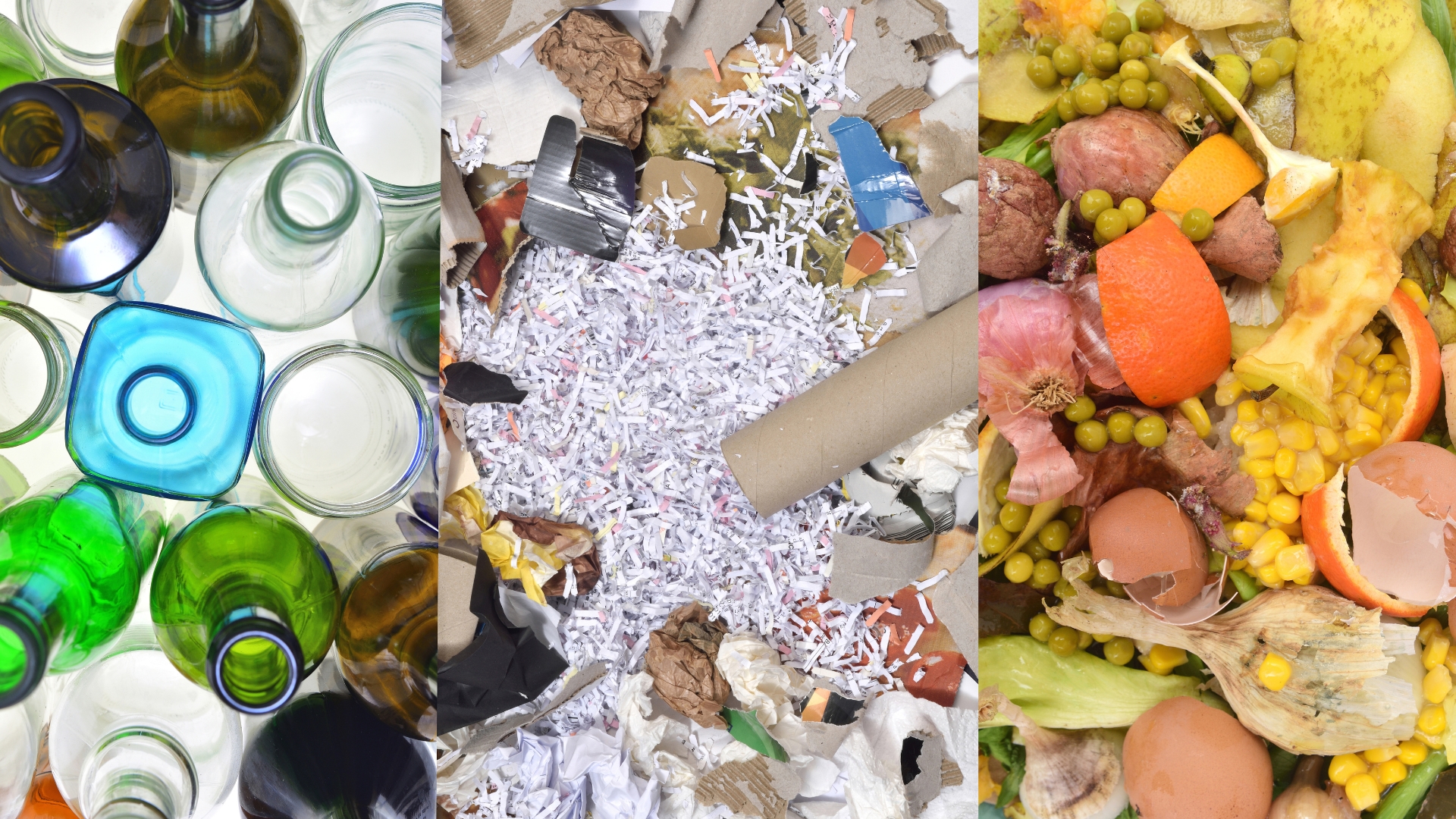
Cities around the world are facing growing challenges from rising volumes of solid waste. To explore practical and scalable solutions, the United Nations Development Programme (UNDP), through its Montreal Protocol, Chemicals and Waste Unit, convened an online workshop on 28 April 2022 focused on advancing zero waste approaches.
The discussion highlighted the need for coordination across the full waste value chain—from production to disposal—and stronger collaboration between governments, businesses and communities. UNDP is supporting countries in the Asia-Pacific to apply circular economy principles in national planning, improve recycling systems and strengthen public-private partnerships.
UNDP also introduced its Zero Waste Offer, which aims to support 50 developing countries by 2025. The offer includes integrated city planning, financing tools, knowledge platforms and capacity-building. With its presence in over 170 countries, UNDP is working with governments, the private sector, civil society and financial institutions to scale these efforts.
Country examples showed what works in practice. Sweden’s model relies on clear policies such as landfill restrictions, extended producer responsibility and municipal waste planning. These are backed by defined roles, stable financing and strong enforcement.
In India, UNDP-supported programmes are improving plastic waste management and formalizing waste workers. Partnerships with major companies have helped establish material recovery facilities and digital tracking systems, leading to measurable reductions in plastic waste and emissions.
Public-private partnerships are playing a key role. In Vietnam, a waste-to-energy facility developed under a Build-Own-Operate model processes a large share of the city’s waste. In Ghana, a composting project uses carbon market mechanisms to generate revenue and improve financial viability.
Experiences from Indonesia and China pointed to the importance of institutional capacity and clear regulatory frameworks. China’s progress shows that stable policies and targeted incentives are critical to attracting private investment.
Across discussions, speakers underscored that achieving zero waste will require better product design, stronger producer responsibility and a mix of solutions such as recycling, composting and waste-to-energy, to manage different waste streams.