To the main content

Freetown, Sierra Leone

Context

Freetown is the capital of Sierra Leone and the country’s main economic, administrative, and port city. Situated on the Atlantic coast, it is one of the fastest-growing cities in West Africa. The city combines dense informal settlements, expanding commercial areas, and important coastal ecosystems.

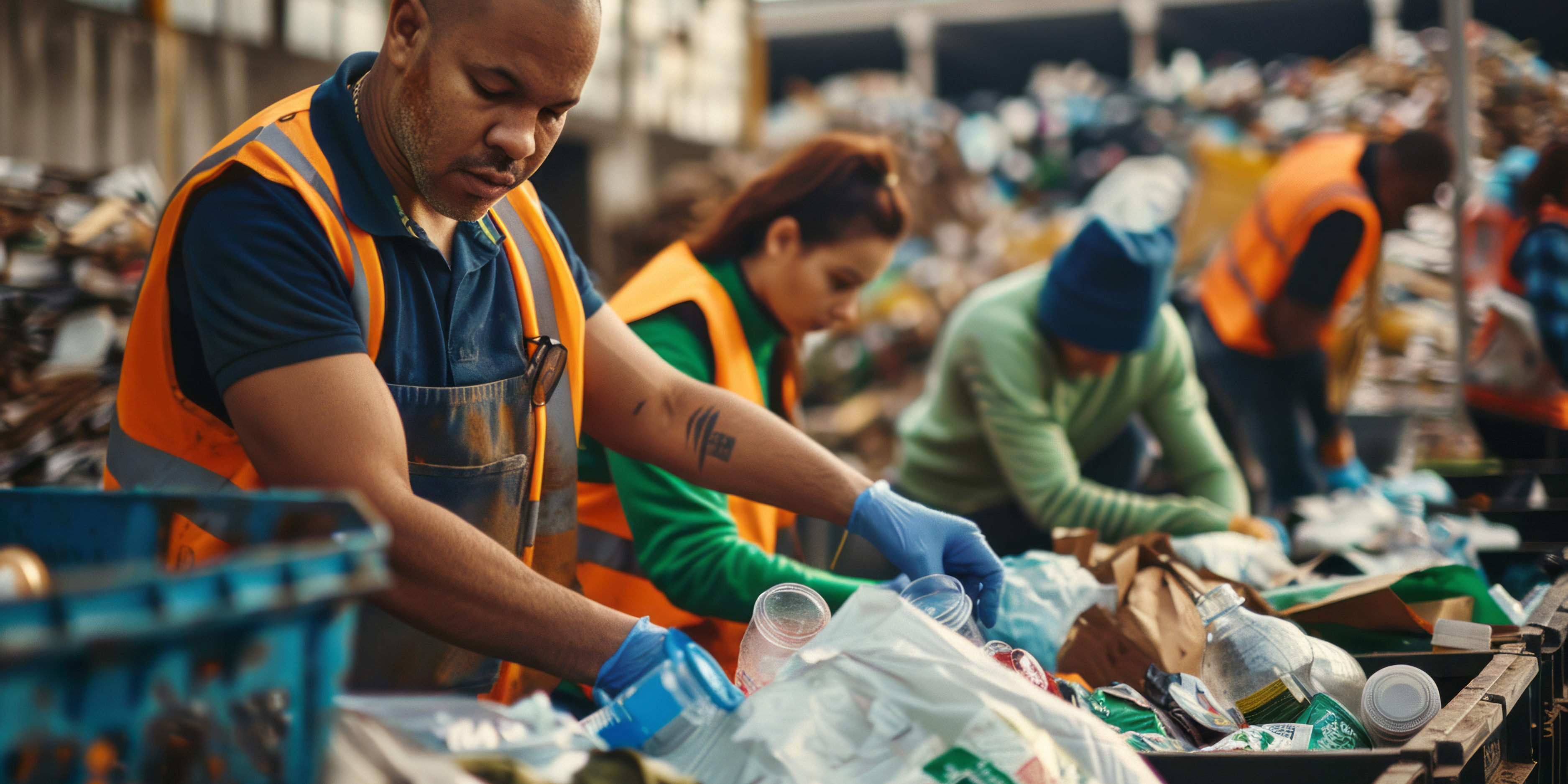
Waste management is one of Freetown’s most pressing challenges. Rapid population growth, limited infrastructure, and pressure on existing dumpsites have created gaps in waste collection, open dumping, and hazards from improper disposal. Informal waste workers recover valuable materials but often lack protection, recognition, and access to financing.

At the national level, Sierra Leone has existing waste and sanitation policies, but many need updating, stronger coordination, and practical tools for implementation. Freetown has shown political commitment to environmental action through initiatives on climate resilience and plastic reduction.
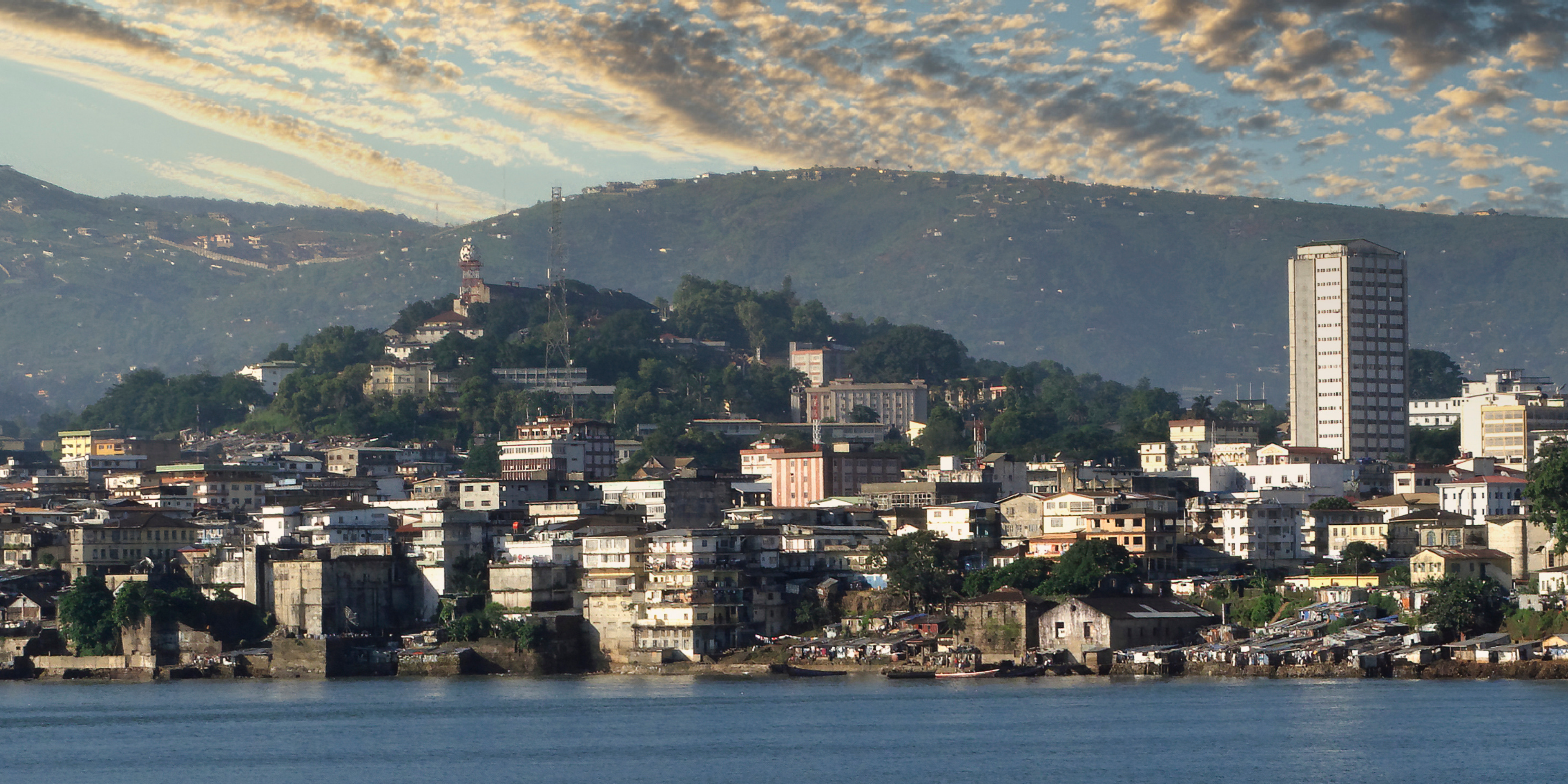
Freetown is the largest city in Sierra Leone and serves as the country’s economic and administrative center.
The city generates roughly 700–900 tonnes of municipal solid waste per day. A large share of waste is organic.
Waste collection is uneven, and high-density, low-income communities face the greatest service gaps, which contributes to open dumping and burning.
The city has launched initiatives including plastic reduction campaigns, community sorting programmes, and improved collection systems.
Freetown is highly vulnerable to climate risks such as flooding and landslides, making effective waste management critical for building resilience.

SWAP in Freetown

The GEF-funded Shifting to Zero Waste Against Pollution (SWAP) initiative supports Freetown in strengthening waste planning, governance, and financing, fostering green business models, and piloting circular solutions. The project focuses on building systems, policies, and local capacity to expand collection, reduce pollution, integrate the informal sector, and scale zero-waste approaches.