Context
Uruguay has a strong policy framework for waste management and circular economy. The country adopted the Integrated Waste Management Law in 2019 and is implementing the National Waste Management Plan, which sets targets for waste reduction, recovery, and improved environmental performance through 2032.
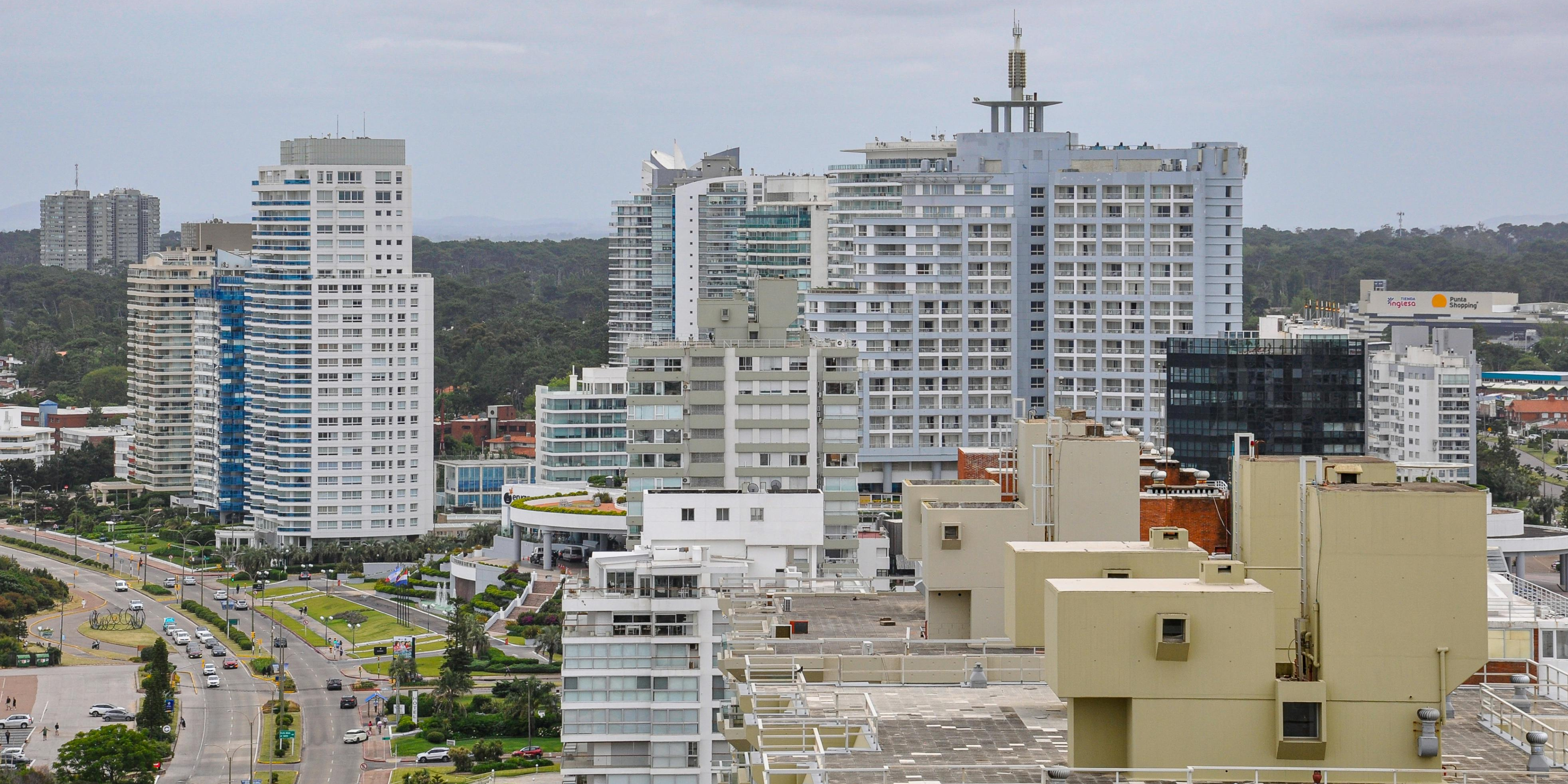
The metropolitan area, including Montevideo, Canelones, and San José de Mayo, concentrates most of the country’s population, economic activity, and waste generation. Coordination across these municipalities is essential to reduce landfilling, strengthen recycling systems, and advance circular economy solutions.
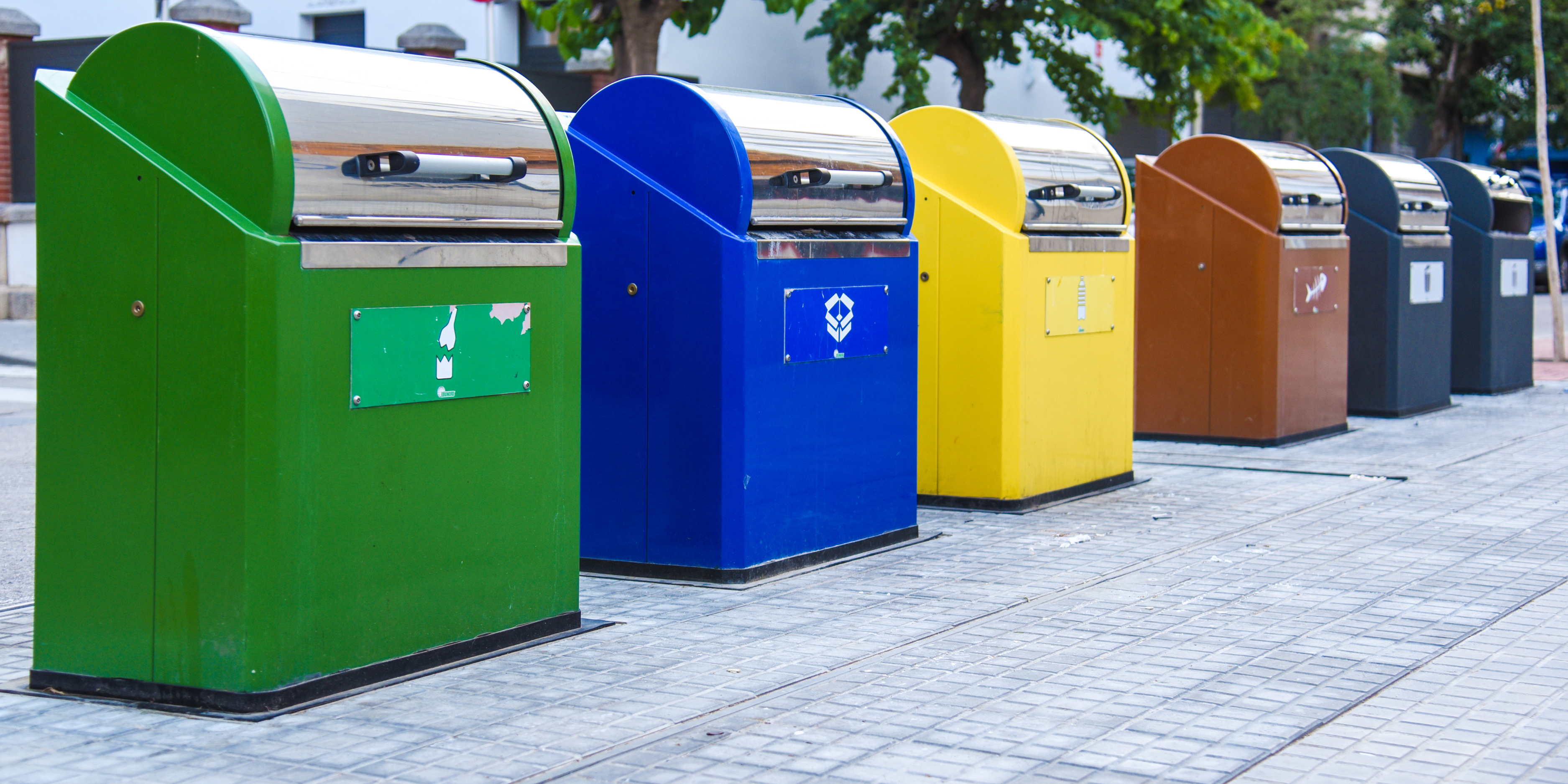
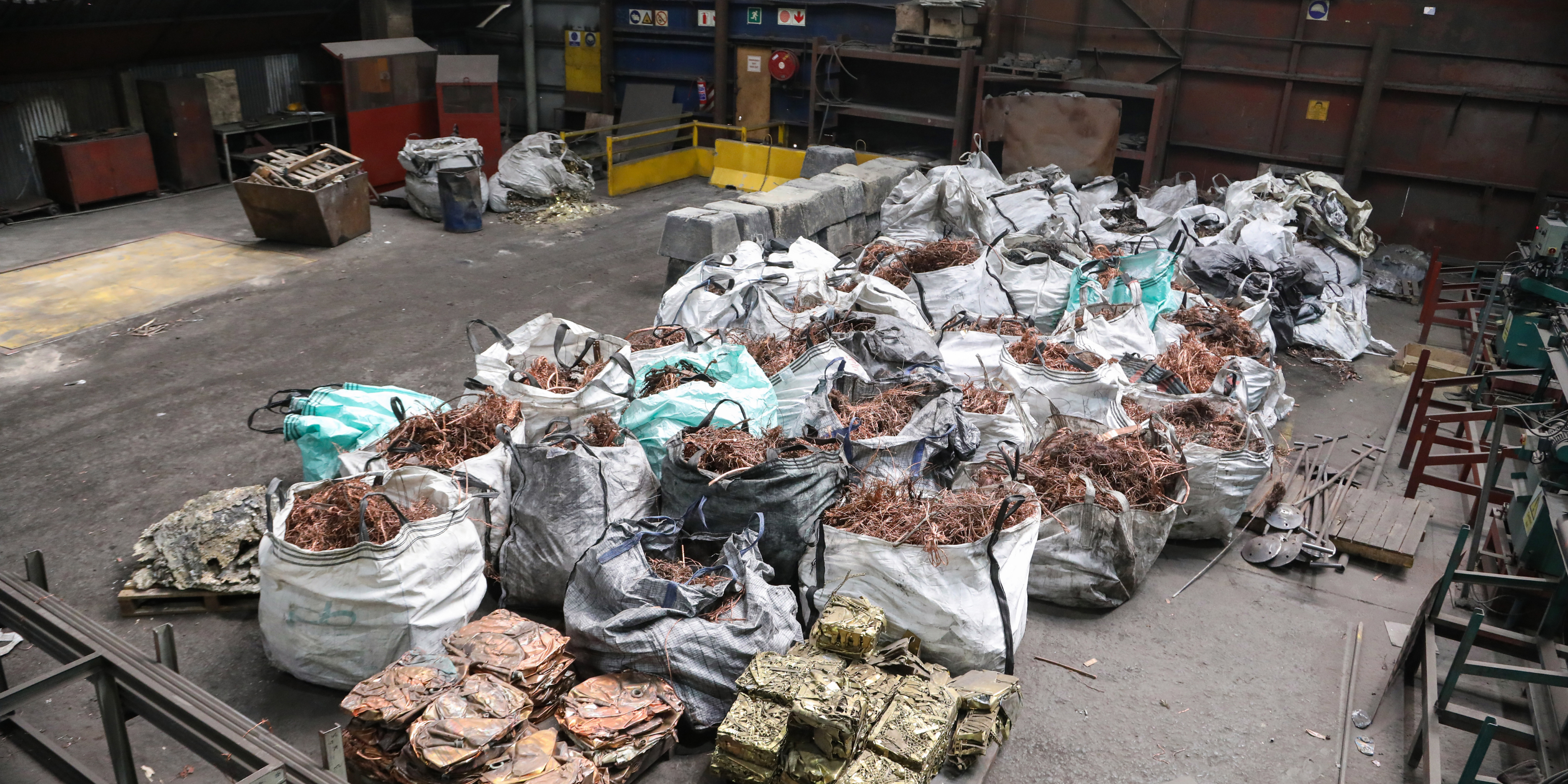
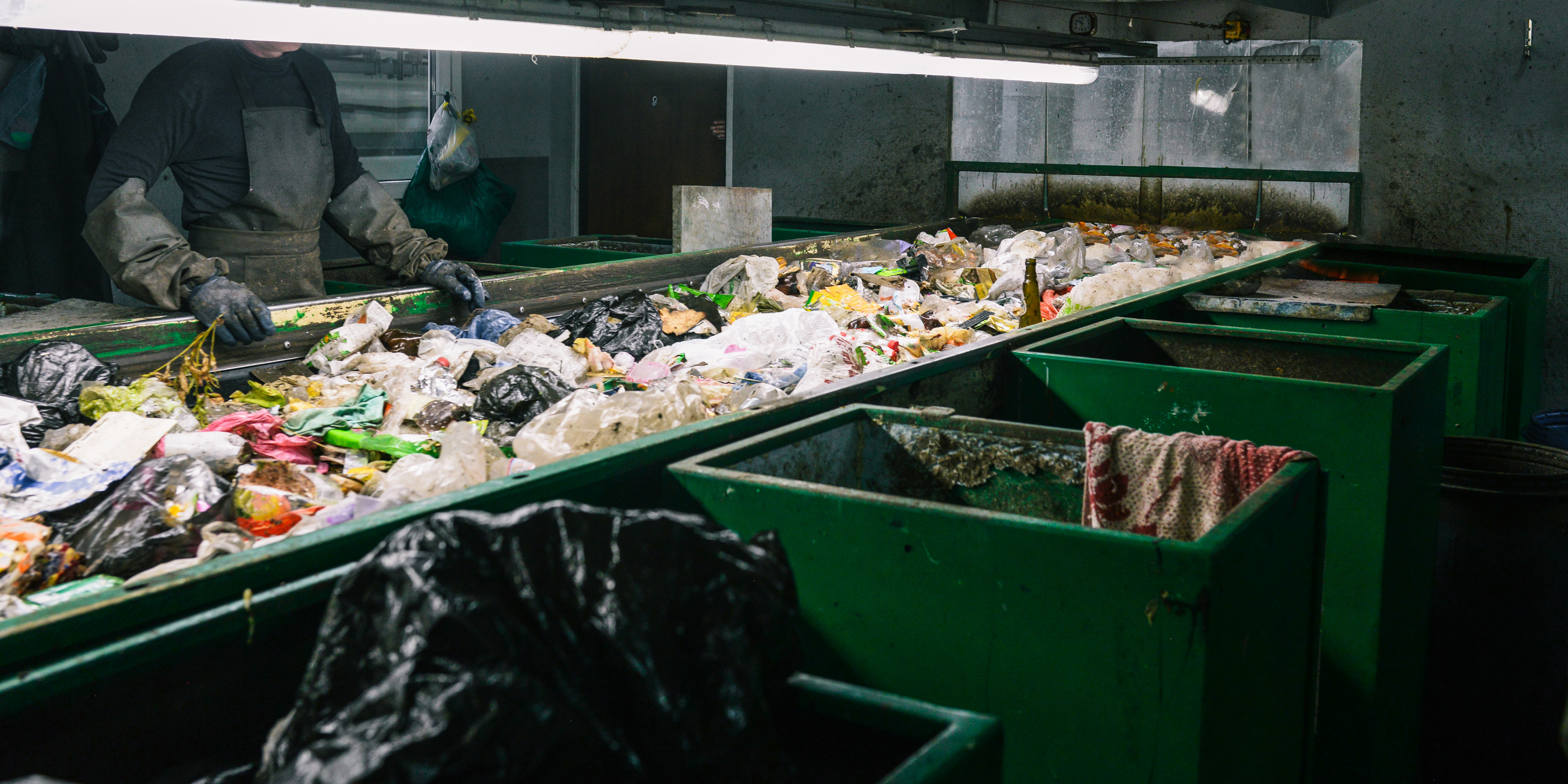
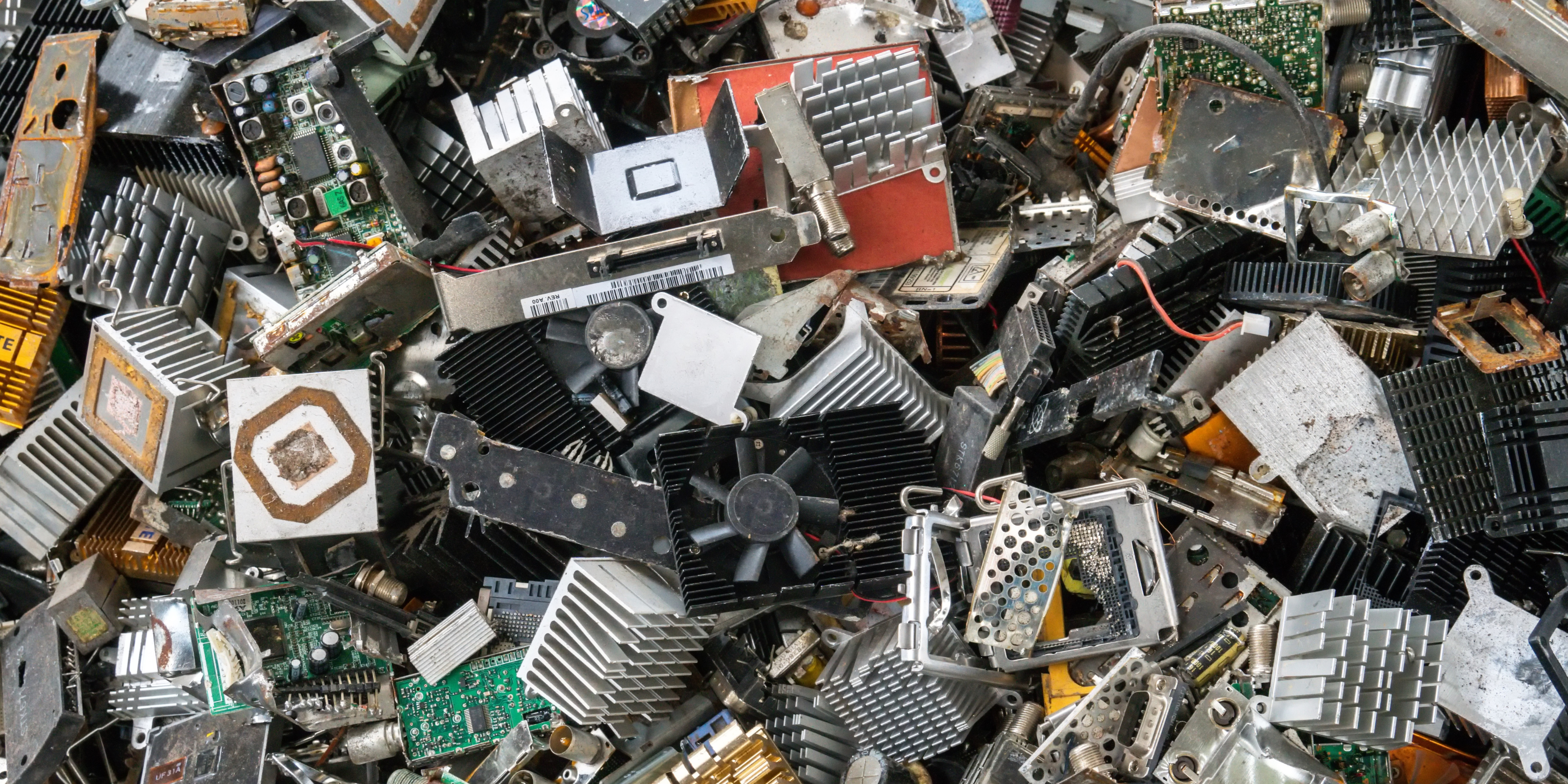
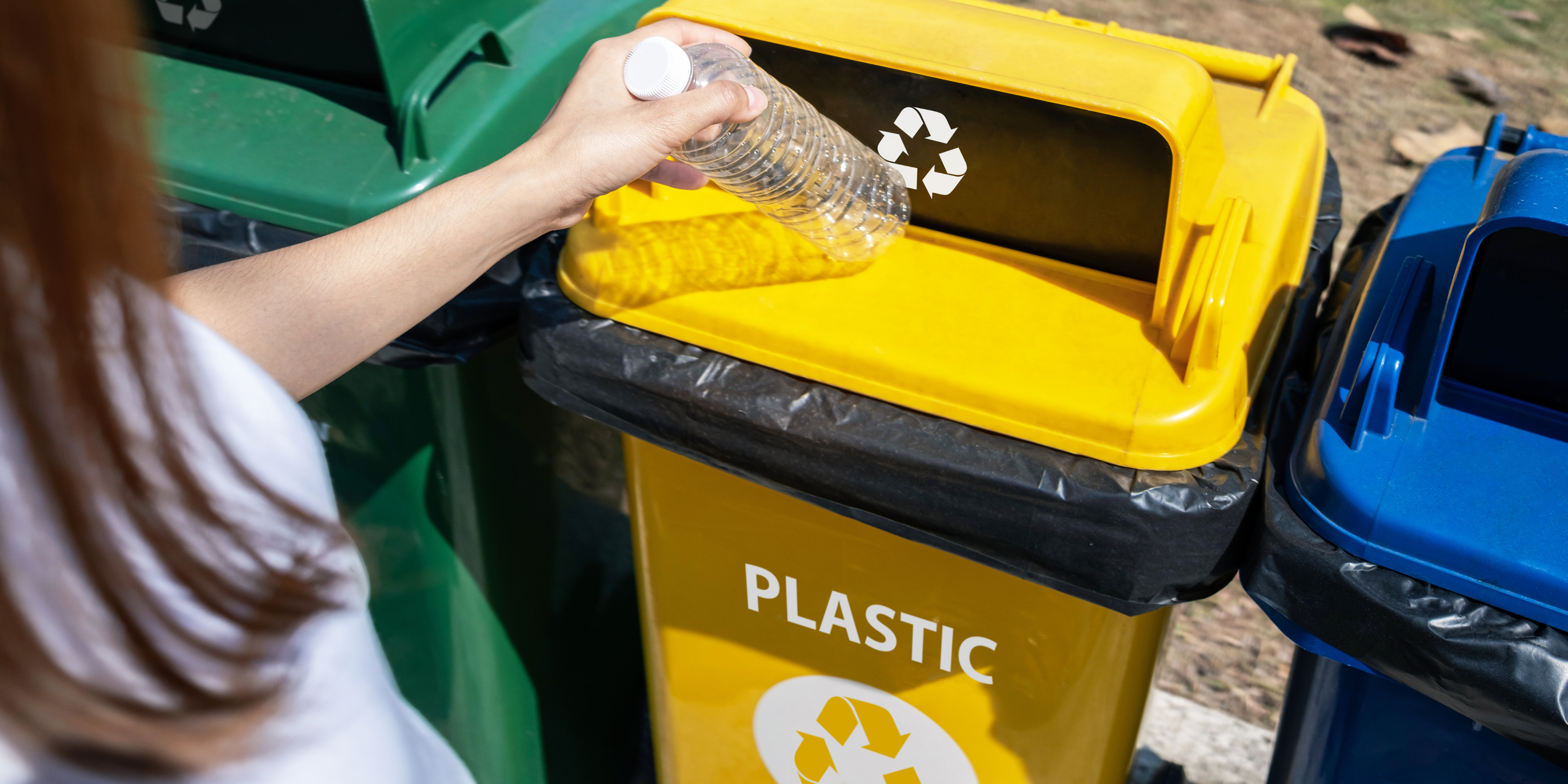
Uruguay has introduced extended producer responsibility (EPR) schemes for packaging and is advancing new regulations for waste electrical and electronic equipment (WEEE). However, landfill disposal remains dominant, and parts of the recycling chain still operate informally, creating environmental, social, and economic challenges.