To the main content

Tianjin, China

Context

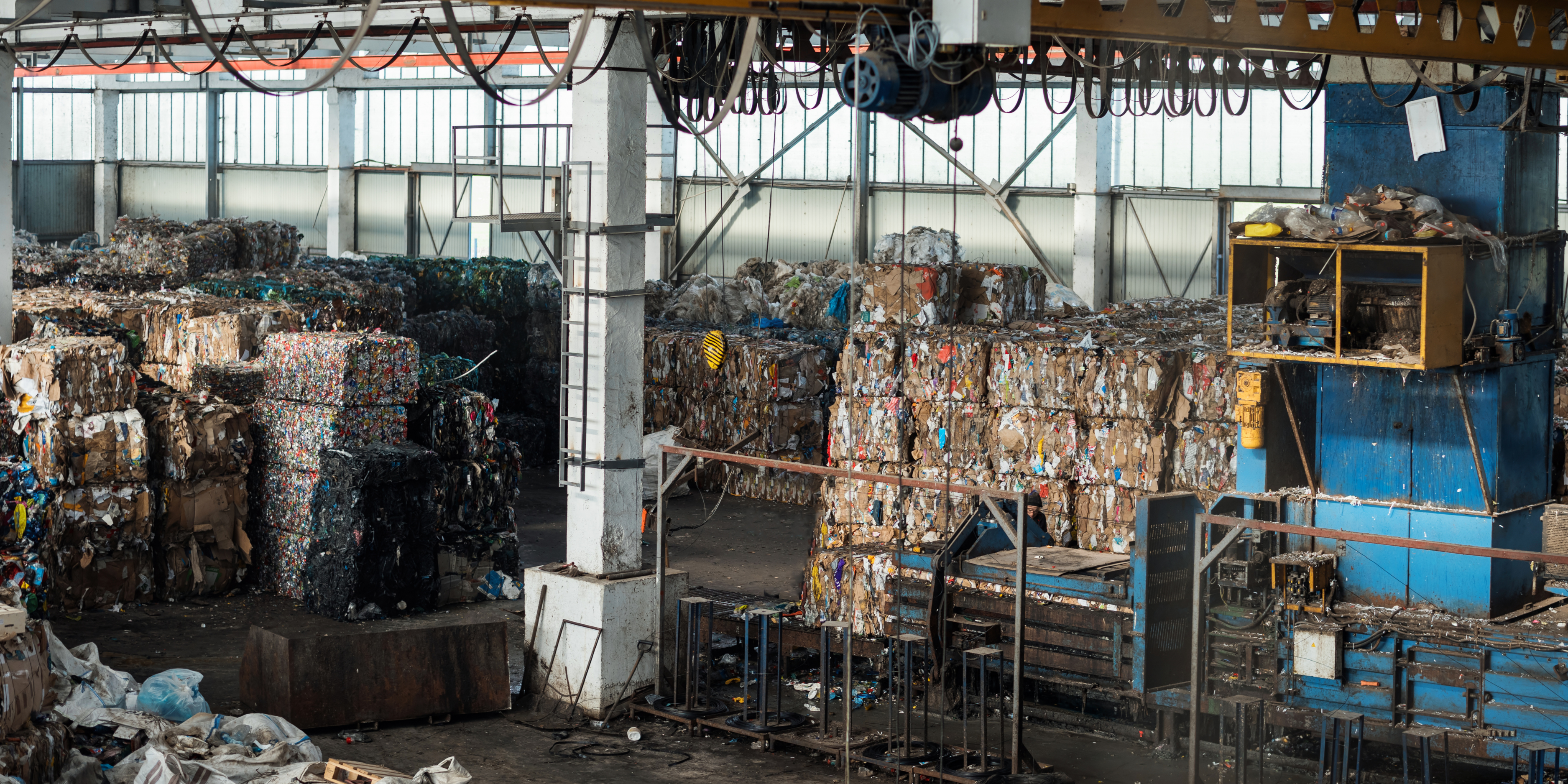
Tianjin is a major industrial and port hub in northern China. The city plays a strategic role in manufacturing, logistics, automotive production, electronics, and petrochemicals. Its large population, strong industrial base, and rapid urban development create significant material flows and complex waste streams, including industrial waste, municipal solid waste, hazardous waste, construction waste, and electronic waste.

China has prioritized the development of Zero Waste Cities”as part of its national circular economy and pollution prevention agenda. Tianjin is well positioned to test integrated solutions that link policy, digital management, industry transformation, and financing.
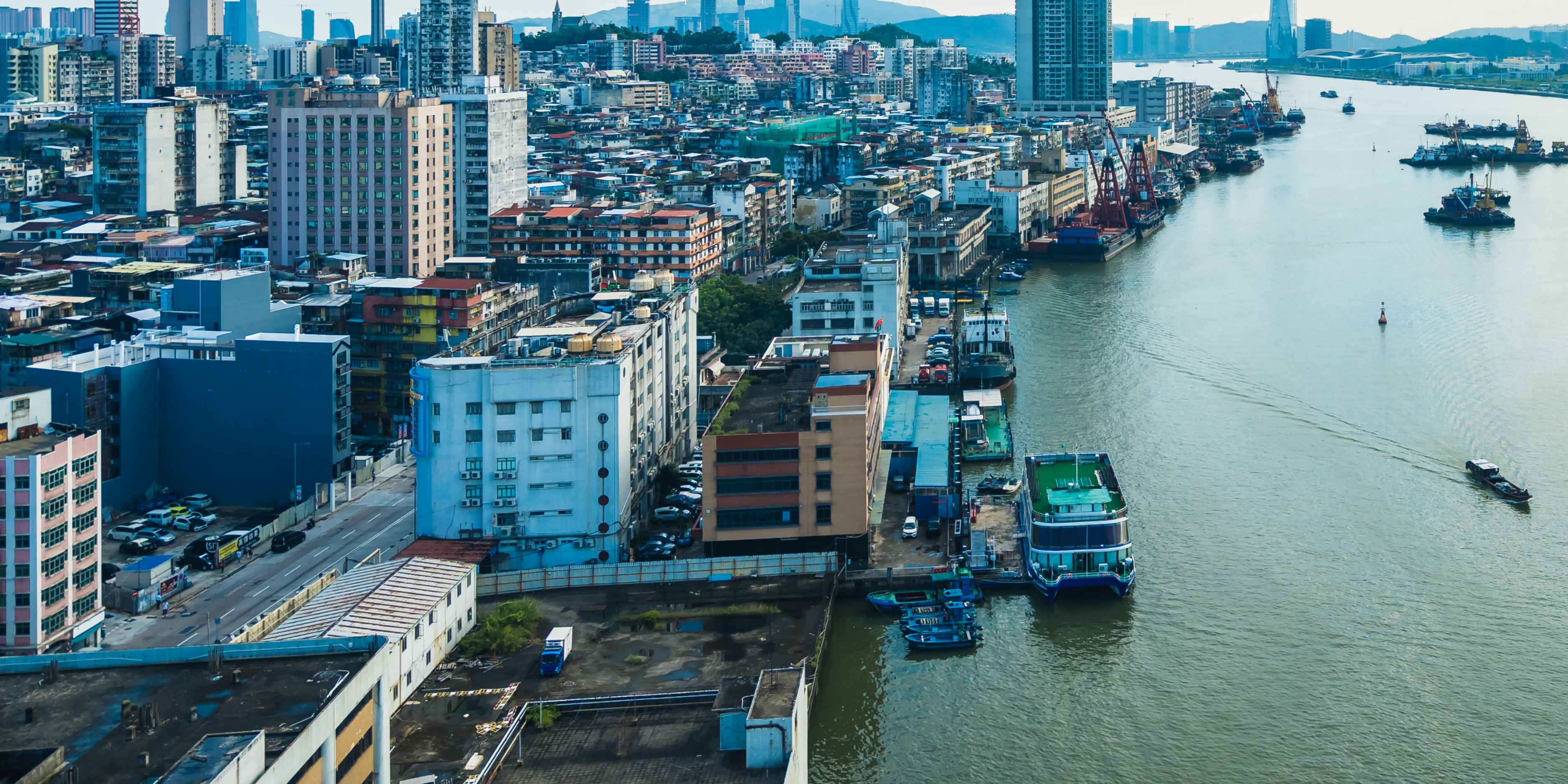
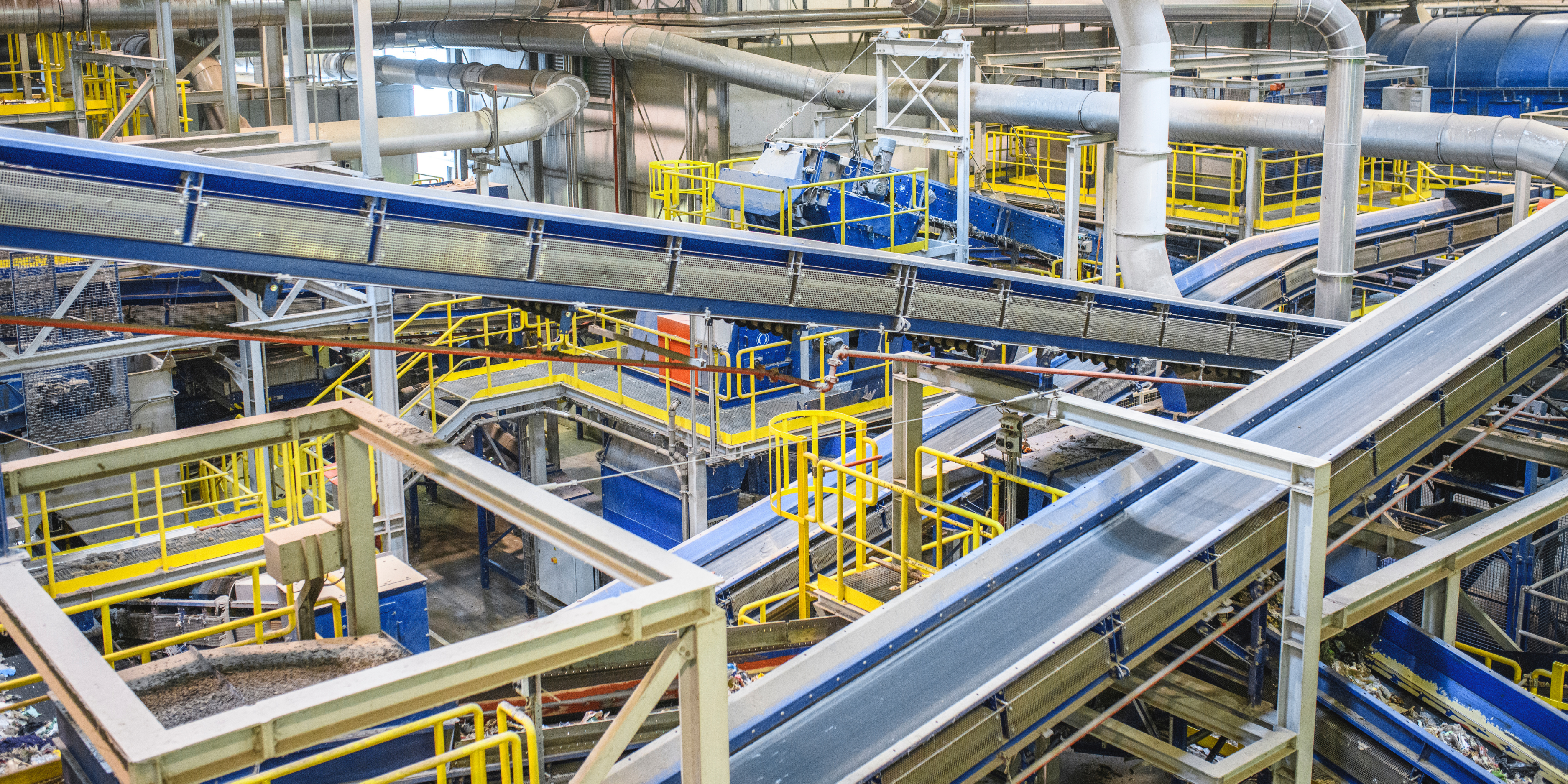
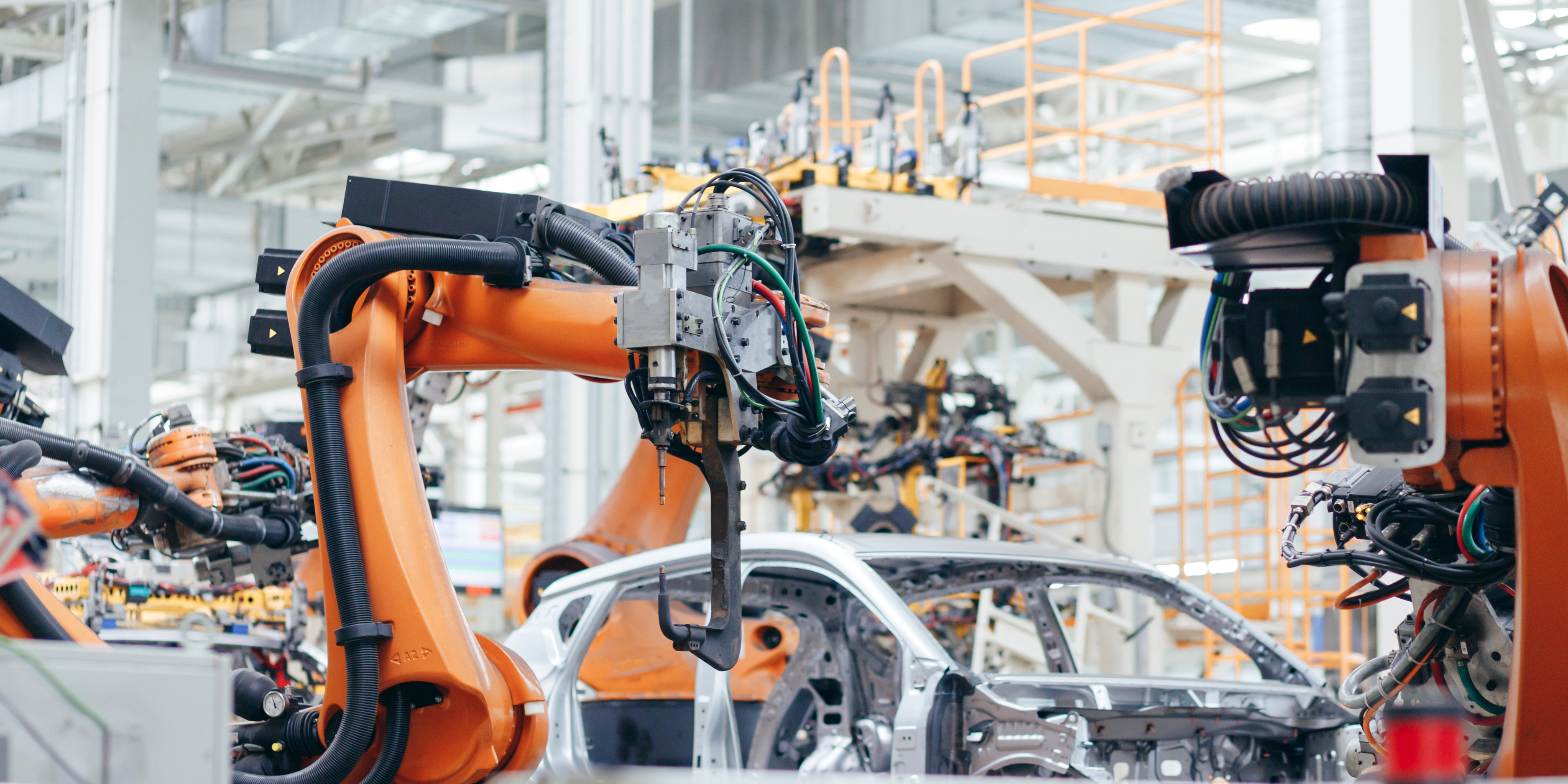
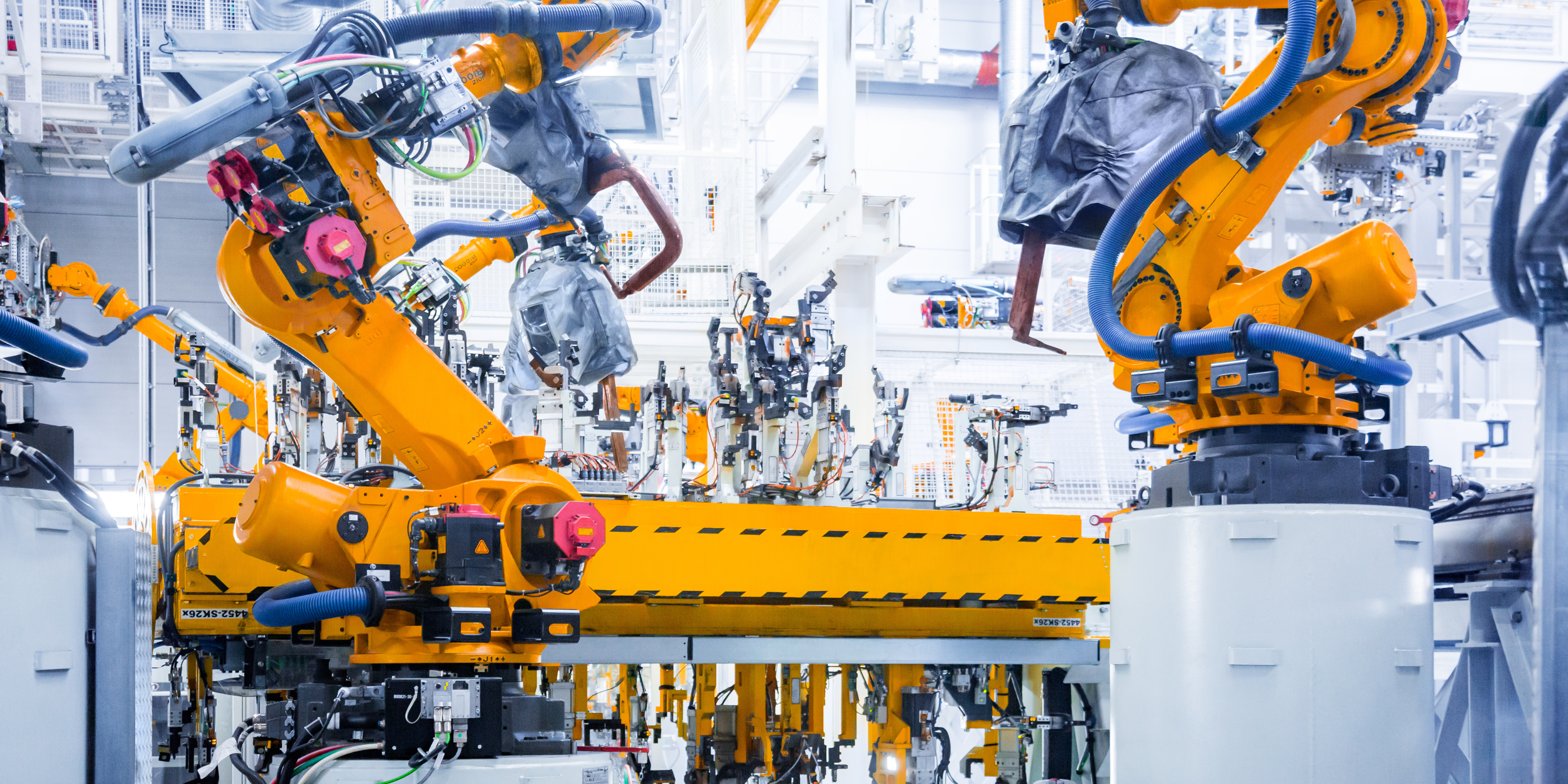
Tianjin is a major industrial and logistics hub, with strong sectors in manufacturing, petrochemicals, automotive and aerospace.
Like other megacities, Tianjin generates millions of tonnes of municipal waste each year from dense populations, industry, and urban consumption.
The city hosts national pilot initiatives on circular economy, industrial symbiosis, and resource efficiency, especially in large industrial parks.
The Tianjin Economic‑Technological Development Area (TEDA) is a model for eco-industrial development, with companies sharing materials, energy, and by-products.
Tianjin’s waste strategy supports national goals to reduce landfill use, boost recycling, and improve waste separation.

SWAP in Tianjin

The GEF-funded Shifting to Zero Waste Against Pollution (SWAP) initiative supports Tianjin in building a comprehensive zero-waste system that strengthens planning, digital management, green industry practices, and financing mechanisms.